Black Monday: How a US Recession Scare Sent The World’s Stock Markets Tumbling
Introduction
Black Monday causes the worldwide equity crash that destroyed billions a single day. That was triggered not by a splashdown in the economy itself but fears that one might be coming sooner or later, if not here then over there…etc etc., highlighting how every jolt to wider financial systems causes rumbles up and down markets globally. This blog will address what caused this market crash, how it is affecting the markets in real time and its long-term implications for investors as well as the broader global economy.
The Origins of Black Monday
The term “Black Monday” has been used more than once to describe one of the many worst days in financial history, but by far that makes October 19, 1987. This was one of the largest single-day percentage drops in stock market history. But what led to such severe selloff? There are multiple economic and geopolitical elements leading to the crash roots.
 1. US Economic Indications Flashing Red
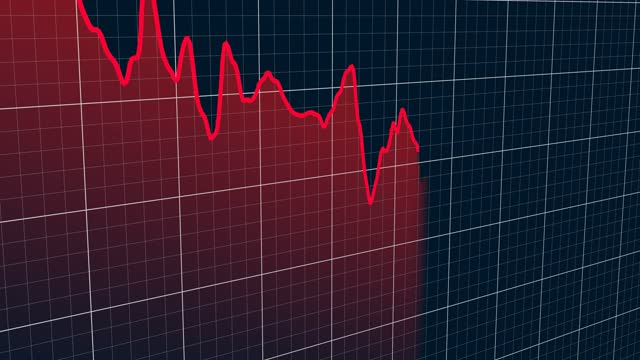
Eight hundred eighty days had passed since the last Black Monday, in an era when 528 was a lucky number and Seattle house prices skyrocketed into seven digits. The US economy staggered under increasing strain over several months leading up to that awful day of decline. A confluence of high inflation, spiking interest rates and trade deficit concerns drove investor sentiment down. Suddenly, investors started to fear a looming recession casting doubt on their overall strategy.
2. The Role of Program Trading
To exacerbate the crash program, trading was a major driver of panic selling. This triggered further computer algorithm selling of massive amounts of stocks each time certain market thresholds were crossed, creating a feedback loop and driving prices down even more.
3. Global Market Interconnection
The 1980s: Global financial markets were already highly interconnected. Events on Wall Street were just as rapidly echoed hundreds, and in the case of Hong Kong even thousands of miles beyond. The US markets tumbled, the talk of a worldwide recession spread like wildfire and there were sell-offs almost all across-board.
Global Markets Rally –Immediate Impact
The ripples of Black Monday could be felt around the world. Major indices in the global stock market had been losing as much as 20% or more of their valuation at one point before starting to recover. The crash spooked investors who responded by pushing for more market reforms and greater safeguards to stop any such occurrences from taking place again.
1. Panic in Investor and Volatile Markets
The sharp drop in stock prices that just happened, of courseil breeds fear and doubt. Investors with significant exposure to equities lost all their investments in a matter of hours. This panic-selling also made markets a lot more volatile which proved to be another impediment in the days after the crash for markets settling down.
2. Central Bank Interventions
To redress the situation, central banks around the world did not hesitate to adopt some measures to deal with the downturn. The credit crunch was actually stopped by the Federal Reserve together with other central banks through its provision of liquidity in the markets. These interventions helped in some way to regain the people’s confidence but unfortunately the damage had been wrought.
Implications
Black Monday is still remembered in the financial markets up to this date. It brought out the fact that world markets were ill protected and the need for improved risk management strategies became apparent. Post this sacking several important changes were made so that such an event could not recur again.
1. Regulatory Changes
Probably the most long-term impact of Black Monday was the development of trading halts to stop stocks. These mechanisms trigger a cease in trading with the belief that prices declined too fast, allowing investors to gather more knowledge and avoid the occurrence of the crash.
2. The Evolution of Program Trading
Program trading was also a major casualty of the crash although it also spurred a change in practices. Measures were thereafter taken with the aim of preventing computerized trading from creating new market shocks in the future. This comprised restrictions on the volume and frequency of transactions that could be made autonomic by these robots.
3. Impact on Investor Behavior
Black Monday can be said to have been an eye opener in equal measure about the inevitable downsides that are associated with stock markets investment. It altered the way bulked of investors assess and price risks associated with diversification. The event confirmed the necessity of a diversified portfolio and the need for preparedness to the negative fluctuations.
 Conclusion
Black Monday is still one of the most significant events in the financial history, highlighting the issues of the market instability and economic risks. Despite being initiated by concerns over the US recession, the associated effect has transformed the functioning of global financial markets. Many of the principles resulting from this crash are still in force and practice today and the effect that it had on the market as well as the investors makes us aware of the fact that nothing in the financial world can be taken for granted lightly.