Mahalaya and Pitri Tarpan: A Cultural History**
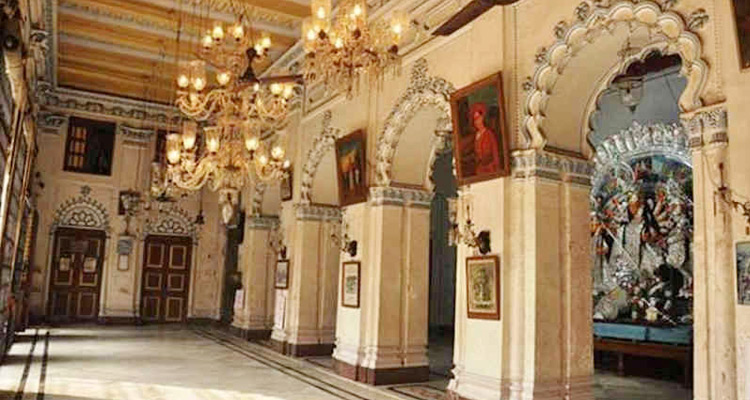
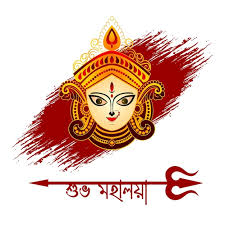
Mahalaya is a special Tithi in Hinduism, which plays a major role in the initiation of Mahishasurmardini Durga Puja. Mahalaya day is mainly celebrated to mark the end of Pitri Paksha and the beginning of Devi Paksha. Pitripaksha is a special period in the Hindu calendar, a time to remember and pay respects to deceased ancestors. Mahalaya Tithi marks the last day of this Pitripaksha, and marks the arrival of Goddess Durga to the mortal world.
Historical context
The origin of Mahalaya and its cultural history is thousands of years old. The significance of this date is mentioned in the Vedas, Puran, and ancient Indian literature. In particular, it is closely associated with the story of Mahishasuramardini Durga. On the morning of Mahalaya, Chandipath known as’ Mahishasuramardini ‘is organised, where the story of the slaying of the demons by Goddess Durga is recited. This program of Chandipath is very popular in Bengal and it was first broadcasted on radio in 1931. The Mahishasuramardini broadcast, planned by Hemendra Mohan Bose and voiced by Birendra Krishna Bhadra, has become a timeless event, which is still observed in Bengali society on the morning of Mahalaya.

# Father’s Prayer: The Old Reformation
Pitri Tarpan is a special ritual dedicated to the deceased ancestors during Pitru Paksha. The word ‘tarpan’ means to appease or pacify. According to Hindu religion, after death, the soul goes to the father’s house and from there it seeks the well-being of the living descendants. Living descendants on the paternal side pray for the peace of the souls of their ancestors, known as tarpan. This process has been going on since ancient Vedic times and it is observed through shradh and tarpan rituals.
The purpose and process of parenting: Pitri Tarpan is an important ritual in Hinduism that is observed especially during Pitru Paksha (15 days from Purnima to Amavasya). It is intended to bring peace to the souls of deceased ancestors and to pay homage to them. The process of filiation is carried out in several stages, among which are especially noteworthy:
1. * * Bathing and purification: * * Before tarpan, one takes a bath to purify oneself. Usually bathing is done in holy rivers or ponds, but bathing can also be done at home.
2. * * Taking Asana and Sankalpa: * * Sankalpa (mental preparation for prayer) is done by maintaining purity by sitting in a kusha or asana in a pure place after bathing. Through Sankalpa, a vow of libation is taken to the gods, sages and fathers.
3. Tarpan: Tarpan requires special substances, including sesame, water, kusha, and honey. In some cases, milk, rice, and flowers are also used.
4. Tarpan: Tarpan is basically a mixture of water and sesame seeds. The sesame seeds and water are offered to the ancestors through the fingers of the hands three times by chanting special mantras. This process is repeated several times, and each time the names of the ancestors are invoked.
5. * * Offering of Arghya: * * After Tarpan, Pooja or Arghya is offered. The bhog prepared for the ancestors is offered and finally distributed among the Brahmins.
6. * * Prayer and receiving blessings: * * At the end of the libation, the blessing of the ancestors is invoked. Blessings are taken from priests or elders, and libations are performed.
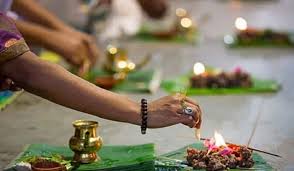
As the ‘Pitri Tarpan’ ritual is an important religious ritual prescribed by the scriptures, it is considered to be the religious and moral responsibility of living persons. It is a symbol of unity and respect within the family, where family values are preserved by showing respect to ancestors for generations.Mahalaya and Pitru Tarpan are the manifestation of a deep culture in Bengali society. It is not only a religious ritual, but also a means of social, cultural, and family bonding. These rituals have been observed for generations and even today Bengalis observe these days with special importance. This period of the beginning of Mahalaya, Devi Paksha and the end of Pitri Paksha is a special combination of joy and respect in the life of Bengalis.